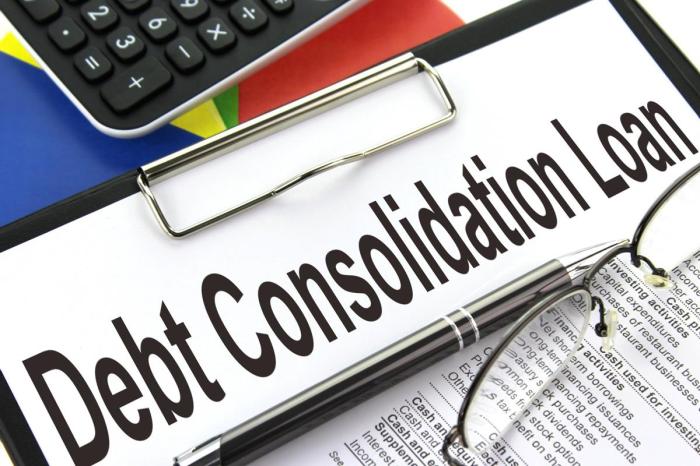
Debt reduction Strategies for a Lighter Wallet

Welcome to the whimsical world of Debt Reduction, where numbers may seem scary, but fear not—taming your financial beast is just a strategy away! Picture your debt like a mischievous gremlin: it multiplies when left alone but can be vanquished with the right tools and a dash of humor.

In this debt management adventure, we’ll tackle effective methods to slash those burdensome bills, pit the snowball against the avalanche in a showdown of debt reduction techniques, and even teach you how to sweet-talk your creditors into lowering those pesky interest rates. Buckle up; it’s going to be a wild ride!

Debt Reduction Strategies

Debt reduction

Debt can feel like an unwelcome party guest that just won’t leave. Thankfully, you have the power to send it packing! Let’s dive into some effective methods for reducing personal debt that won’t require you to hide in your closet or start selling your prized comic book collection.Understanding the different strategies available is crucial in your quest to reclaim your financial freedom.

Two popular methods for tackling debt are the debt snowball and the debt avalanche. Each has its unique approach and benefits. But remember, reducing debt is like choosing between chocolate and vanilla – both are delicious, but you have to pick one!

Comparison of Debt Snowball vs. Debt Avalanche Methods

When it comes to slaying the debt dragon, the snowball and avalanche methods are your trusty swords. Each method has its proponents, and the choice often depends on your personality and motivation. The debt snowball method involves paying off the smallest debts first, while the debt avalanche focuses on the highest interest debts. Here’s a detailed comparison to help you decide which method suits you best:

Criteria Debt Snowball Debt Avalanche
Strategy Pay off smallest debts first Pay off highest interest debts first
Motivation Quick wins boost morale Long-term savings on interest
Time to Pay Off Quicker for smaller debts Generally takes longer to eliminate all debts
Best For Those who need motivation Those focused on saving money

As you can see, if you’re the type who needs a pat on the back every time you pay off a debt, the snowball method might be your jam. However, if you have the patience of a saint and want to save on interest payments in the long run, the avalanche method is your best friend.

“Choose the strategy that motivates you the most to take action.”

Negotiating Lower Interest Rates with Creditors

When you’re buried under the weight of interest payments, don’t just sit there twiddling your thumbs! Negotiating lower interest rates with creditors is like asking your favorite pizza place to throw in extra cheese – it’s worth a shot!Here are some effective tips to help you negotiate those pesky interest rates down:

1. Know Your Credit Score

Just like knowing the score of your favorite team, understanding your credit score can help you negotiate better terms. A higher score means you have more leverage.

2. Do Your Homework

Research what rates are available in the market. Showing that you have options can make creditors think twice before they deny your request.

3. Be Prepared

Gather any relevant information that supports your case. This could include your payment history, income, or other financial commitments. The better prepared you are, the less likely they are to dismiss you.

4. Be Polite but Firm

Approach the conversation with a positive attitude. No one wants to help a grump! Explain your situation and politely ask for a lower rate.

5. Consider Transferring Balances

If they refuse to lower your rate, it might be time to consider transferring your balance to a card with a lower rate. Sometimes, showing a bit of leg (or legwork) can entice creditors to give you a better deal.Remember, the worst they can say is “no,” and then you can go back to your couch fort and binge-watch all the shows you missed while stressing over your debt.

So, arm yourself with knowledge, a friendly tone, and a sprinkle of confidence, and go negotiate like the financial wizard you are!

Understanding Debt Consolidation

Debt consolidation is like taking your financial laundry and throwing it all into one big dryer—hoping that by the end, everything comes out cleaner and easier to manage. By combining multiple debts into a single loan, you can simplify your payments and potentially lower your interest rates. However, this financial miracle isn’t without its own set of quirks and caveats that you should be aware of before diving in headfirst.Debt consolidation loans can either be a shining knight in armor or a pesky gremlin, depending on how you approach them.

On the bright side, they can help you manage your payments better and may lower your interest rates, giving you some much-needed breathing room. However, they can also lead to a false sense of security, lulling you into a cozy financial sleep while your debt lurks in the corners.

Advantages and Disadvantages of Debt Consolidation Loans

When it comes to debt consolidation, it’s essential to weigh the pros and cons carefully. Here are some helpful points to consider:Advantages:

  • Streamlined Payments: One bill to rule them all! You can say goodbye to juggling multiple due dates.
  • Lower Interest Rates: With a bit of luck, you might snag a lower rate, saving you money over time.
  • Improved Credit Score: If you manage your consolidated loan well, it can positively impact your credit score.
  • Fixed Repayment Terms: Know exactly when you’re done with those pesky payments, making financial planning easier.

Disadvantages:

  • Fees Galore: Some lenders may charge fees that can make your consolidation quest more expensive than expected.
  • Risk of Accumulating More Debt: If you don’t change your spending habits, you could end up in deeper water than before.
  • Potential Loss of Assets: Secured loans can put your assets on the line. Don’t let your couch become a hostage!
  • Temporary Relief: It might give you a breather, but the underlying issues need addressing for lasting change.

Reputable Debt Consolidation Services

Choosing a trustworthy debt consolidation service is crucial for ensuring your financial health doesn’t turn into a reality TV disaster. Here’s a list of reputable services and what they offer:

  • SoFi: Provides low-interest personal loans and offers financial planning tools to keep you on track.
  • Marcus by Goldman Sachs: Offers no-fee personal loans with flexible terms, perfect for those who like to keep things straightforward.
  • Payoff: Specializes in consolidating credit card debt and offers tools to help you stay motivated in your debt-free journey.
  • National Debt Relief: Negotiates with creditors on your behalf, which can lead to reduced balances—like a retail sale, but for your debt!

Secured vs. Unsecured Debt Consolidation

Understanding the difference between secured and unsecured debt consolidation is crucial in making the right choice for your financial strategy. Secured debt consolidation involves borrowing against an asset like your home or car. While this can provide lower interest rates, it comes with the risk of losing that asset if payments aren’t made. Think of it as putting your favorite toy on the line; it could be great fun, but if you lose it, you might not be so happy.On the other hand, unsecured debt consolidation doesn’t require collateral, which means you won’t risk losing your belongings.

However, this often comes with higher interest rates and stricter credit requirements. It’s like a buffet—super tempting, but you might end up with a hefty bill if you’re not careful about what you put on your plate.In summary, while debt consolidation can be a strategic move, it’s important to understand the various types, associated risks, and advantages before signing on the dotted line.

Take a moment to assess your financial habits and goals, and make sure you’re choosing the right path to a brighter financial future.

Credit Counseling and Management

Debt reduction

Credit counseling and management is like having a wise, albeit slightly quirky, financial guru guiding you through the labyrinth of debt. It offers a lifeline for those drowning in financial woes, turning chaos into clarity. By engaging with credit counseling services, individuals can uncover strategies to regain control over their finances, ensuring that their journey toward financial freedom is not paved with more pitfalls.Credit counseling services play an essential role in debt management by providing expert advice tailored to individual financial situations.

These services analyze one’s debts and income, create realistic budgets, and offer educational resources to improve financial literacy. Picture it as having a personal trainer, but instead of lifting weights, you’re lifting the weight of financial burden off your shoulders. Many credit counseling agencies also negotiate with creditors on your behalf, potentially lowering interest rates and payment amounts. Ultimately, these services aim to empower individuals to make informed financial decisions and develop healthy money habits.

Choosing a Certified Credit Counselor

Selecting the right credit counselor can feel like picking a partner for a three-legged race—it’s crucial to choose wisely to avoid a faceplant in the mud of financial despair. Here’s a streamlined guide on evaluating and choosing a certified credit counselor:Look for certifications. Always opt for counselors certified by reputable organizations, such as the National Foundation for Credit Counseling (NFCC) or the Financial Counseling Association of America (FCAA).

These certifications ensure you’re getting advice from professionals who know their stuff.Check for reviews. Investigate testimonials and reviews from previous clients. If the counselor’s reputation is as shiny as a new penny, chances are you’re on the right track. Inquire about fees. A trustworthy credit counseling service should be transparent about fees.

If they seem more interested in your wallet than your well-being, it’s time to run in the other direction.Assess the services offered. Whether it’s budget counseling, debt management plans, or financial education, ensure the services align with your needs. Don’t be shy—ask a million questions if needed!Look for a personalized approach. A good counselor tailors their strategy to fit your unique financial situation.

If they try to fit you into a cookie-cutter plan, it’s a red flag.

Common Pitfalls to Avoid with Credit Counseling Services

While credit counseling can be incredibly beneficial, there are common pitfalls that can turn your journey to financial freedom into a bumpy ride. Be mindful of the following points to keep your financial ship sailing smoothly:

“Not all credit counseling services are created equal; choose wisely to avoid sinking!”

Skipping the research phase

Jumping into a service without thorough research can lead to regret. Always investigate the organization’s background, reputation, and services offered.

Ignoring the fine print

Read all agreements carefully before signing. Hidden fees or unfavorable terms can leave you gasping for air instead of breathing easy.

Overlooking ongoing support

After your initial consultation, ensure that the service offers ongoing support and follow-up. Financial wellness is a marathon, not a sprint.

Falling for scams

Beware of companies that make guarantees of debt elimination or promise to fix your credit overnight. If it sounds too good to be true, it probably is.

Neglecting personal accountability

Credit counseling is not a magic wand. It requires commitment and active participation on your part to achieve lasting results. Following these guidelines can help you navigate the credit counseling landscape with finesse, turning potential pitfalls into stepping stones on your path to financial liberation.

Ultimate Conclusion

As we wrap up our escapade through the realm of Debt Reduction, remember that managing your finances doesn’t have to be a chore. With the right strategies, a sprinkle of negotiation skills, and possibly a certified credit counselor by your side, you can conquer debt like a pro. So go forth, brave financial warrior, and may your wallets be ever lighter!

FAQ Corner

What is the debt snowball method?

The debt snowball method focuses on paying off the smallest debts first, creating a snowball effect of motivation as you eliminate each balance.

How does debt avalanche differ from debt snowball?

The debt avalanche method prioritizes debts with the highest interest rates first, potentially saving you more money in the long run.

Can I negotiate my interest rates?

Yes! Many creditors are open to negotiation, especially if you demonstrate good payment history or express financial hardship.

What are the risks of debt consolidation?

While debt consolidation can simplify payments, it may lead to higher costs if you extend the repayment period or fail to stick to a budget.

How do I find a certified credit counselor?

Look for organizations accredited by the National Foundation for Credit Counseling (NFCC) or the Financial Counseling Association of America (FCAA) to ensure quality service.

Smart budgeting Your Guide to Financial Freedom

Smart budgeting

Welcome to the wild and wacky world of Smart budgeting, where your money does the cha-cha instead of doing a disappearing act! Picture this: your dollars lined up like well-trained soldiers, ready to march toward your financial goals instead of doing the tango in the nearest café. In this realm, budgeting isn’t just a boring chore—it’s a lively dance that can lead to financial harmony.

Smart budgeting isn’t just a fancy term; it’s your financial GPS, guiding you through the maze of income and expenses. We’ll dive deep into methods that make tracking your cash a thrill, like adopting the 50/30/20 rule and mastering the art of zero-based budgeting. With these tools, you’ll be ready to tackle debt like a superhero and sprinkle some financial literacy magic on your budgeting practices.

Smart Budgeting Fundamentals

Smart budgeting

Budgeting is like having a personal trainer for your finances, guiding you through the treacherous terrain of spending and saving without letting you fall flat on your face. Smart budgeting is not just about pinching pennies; it’s about creating a sustainable plan that leaves room for guilt-free splurges while keeping your financial health in tip-top shape. The importance of smart budgeting in financial planning cannot be overstated; it helps you understand where your money goes, prioritize your spending, and prepare for future expenses, all while keeping stress at bay—because who needs that extra wrinkle?Creating a smart budget hinges on two main principles: tracking your income and expenses.

By understanding your cash flow, you can make informed decisions that align with your financial goals. Fear not, for budgeting methods are here to save the day!

Tracking Income and Expenses

To embark on your budgeting journey, you need to know exactly how much money flows into and out of your life. Let’s break this down into digestible bites:

1. Income Tracking

First things first, gather all sources of income, be it salary, side hustles, or the occasional cat video ad revenue. Record these amounts so you know what you’re working with.

2. Expense Tracking

Next, track every expense, from the coffee that fuels your soul to those mysterious charges labeled “miscellaneous.” You can use budgeting apps, spreadsheets, or good old-fashioned pen and paper—whatever floats your financial boat.

3. Analyze the Data

Once you have a clear picture of your income and expenses, analyze the data to spot trends. Are you spending too much on takeout? Is your gym membership just a monthly donation to a place you never visit?

4. Adjust Accordingly

Use this information to adjust your spending habits. Remember, it’s all about making informed choices to align with your goals.

Common Budgeting Techniques

Several budgeting techniques can help you take control of your finances. Here are a couple of popular methods that could change your financial game:

1. 50/30/20 Rule

This technique is as easy as pie and just as delicious—if pie was a metaphor for financial stability. The rule suggests allocating:

50% of your income to needs (housing, groceries, bills).

30% to wants (dining out, entertainment, hobbies).

20% to savings and debt repayment.

“The 50/30/20 rule is like a buffet: fill your plate wisely and leave room for dessert!”

2. Zero-Based Budgeting

This technique brings you to a thrilling finish line: a budget that equals zero! Every dollar you earn is assigned a specific purpose, whether it’s spending, saving, or investing, resulting in no unallocated funds. This method encourages you to scrutinize every dollar, ensuring that you’re not just throwing money around like confetti. To implement zero-based budgeting, list all your income and expenses, then allocate each dollar until you reach a balance of zero.

It’s not just a budget; it’s a financial mission!In summary, smart budgeting involves a well-thought-out plan that monitors your financial landscape. By applying techniques like the 50/30/20 rule or zero-based budgeting, you can create structure, achieve goals, and perhaps even afford that extra slice of cake—because you deserve it!

Debt Management Strategies

Smart budgeting

Navigating the wild world of finances can sometimes feel like you’re trying to tame a rabid raccoon—exciting, unpredictable, and with the potential for a whole lot of chaos. Fear not! With smart budgeting and effective debt management strategies, you can transform that feral creature into a cuddly companion. Let’s dive into how to wrangle those debts and whip your finances into shape, all while maintaining a sense of humor (and sanity).

Effective Strategies for Managing Debt

Managing debt within a smart budgeting framework requires a little finesse and a whole lot of courage. Here are a few effective strategies you can use to keep your debt from becoming a towering inferno of financial despair:

  • The Snowball Method: Start by paying down your smallest debts first. Once they’re gone, apply that payment to the next smallest debt. It’s like eating the marshmallows off a S’more first—satisfying and motivating!
  • The Avalanche Method: Tackle the debt with the highest interest rate first. It’s more math-y, but you’ll save more in the long run—kind of like using a coupon to buy a yacht.
  • Budgeting for Extra Payments: Allocate a specific amount each month to make extra payments on your debts. Treat it like paying your Netflix subscription—except this time, you’re binge-watching your financial freedom.

Options for Debt Consolidation

Debt consolidation can be a magical spell that transforms your multiple debts into one manageable monthly payment, with the added benefit of a lower interest rate. Here are some common options for debt consolidation and their benefits:

  • Personal Loans: A single loan to pay off multiple debts can simplify your payments and potentially lower your interest rates. Think of it as a financial makeover—out with the old, in with the new!
  • Balance Transfer Credit Cards: Transfer high-interest credit card debt to a card with a lower interest rate (or even 0% for a limited time). Just remember, the goal is to pay it off before the interest monster rears its ugly head.
  • Home Equity Loans: Using the equity in your home can provide a lower interest rate. However, this option requires careful consideration of the risks involved—because you definitely don’t want to mortgage your future for a shopping spree.

The Role of Credit Counseling in Financial Goals

Credit counseling can be an invaluable resource in achieving your financial goals. They often help you create a personalized budget and provide support that keeps you accountable. Here are a few key benefits:

  • Expert Guidance: Credit counselors are like financial superheroes, equipped with knowledge and tools to help you tackle your debts. It’s like having Yoda for your finances—wise, patient, and incredibly helpful.
  • Debt Management Plans: Counselors can help you set up a debt management plan that may lower your interest rates and monthly payments. It’s like a gym membership for your finances—workouts for your wallet!
  • Financial Education: They provide valuable resources and workshops to improve your budgeting practices. Knowledge is power, and in this case, it’s like a secret potion for financial success!

“Debt does not have to be a monster lurking in the shadows; it can be tamed with the right strategies and a little bit of humor.” – Unknown

Enhancing Financial Literacy

In the whimsical world of finance, understanding the ins and outs of budgeting is akin to navigating a treasure map—knowing where X marks the spot can make all the difference between a pot of gold and a pile of fool’s gold. To truly enhance financial literacy, one must master the art of credit, comprehend the significance of estate planning, and weigh the pros and cons of various financing options.

Let’s dive into these essential aspects with a splash of humor and a sprinkle of wisdom.

Credit Tips to Enhance Budgeting Practices

A solid grasp of credit can be the superhero cape your budget has been longing for. Good credit not only boosts your chances of snagging a lower interest rate but also keeps your financial health in check. Here’s a guide to make your credit score soar higher than a kite on a windy day:

  • Maintain a low credit utilization ratio—keep it below 30% to be in the green zone. Think of it as keeping your credit card balance like a diet: moderation is key!
  • Pay your bills on time. Late payments can feel like a bad haircut—embarrassing and hard to fix. Set reminders or automate payments if necessary.
  • Review your credit report regularly. It’s like checking a mirror before leaving the house—don’t let hidden blemishes ruin your financial look!
  • Avoid closing old accounts. They add to your credit history, which is like bringing your wise, elderly friend to a party—age brings wisdom!
  • Limit new credit inquiries. Too many applications can make you look desperate, just like someone trying to squeeze into last year’s skinny jeans!

“Credit is the key to financial freedom—handle it with care and it’ll unlock doors you never knew existed.”

Estate Plan Trusts and Their Significance

Estate planning is like being the director of your financial movie—deciding what happens with your assets after the final credits roll. Trusts are a crucial plot twist in this story, offering benefits that go beyond your average will. Here are some important points to consider:

  • Trusts help avoid probate—a lengthy and often costly process, meaning more time enjoying your wealth and less time in the courtroom drama.
  • They provide privacy. Unlike wills, which are public documents, trusts keep your financial affairs more discreet. Think of it as the VIP section of your financial life!
  • Trusts can minimize estate taxes. With proper planning, you could save a bundle, allowing you to pass on more to your heirs and less to Uncle Sam.
  • They ensure your wishes are honored, even if you become incapacitated. This power of attorney feature is like having a trusty sidekick to carry out your financial wishes.
  • Trusts can be tailored to meet specific needs, such as safeguarding assets for minors or individuals with special needs—kind of like creating a financial safety net for your loved ones.

“An estate plan isn’t just for the wealthy; it’s for anyone who wants to take control of their financial legacy.”

Comparison of Home Equity Loans and Leases

When it comes to financing options, home equity loans and leases are like the yin and yang of the financial universe—both have their strengths and weaknesses. Understanding these differences can help you choose the right path for your budgeting journey.

Feature Home Equity Loan Lease
Ownership You own the property and can tap into its equity. You are essentially renting the property without ownership.
Payment Structure Fixed monthly payments over the loan term. Monthly lease payments, often lower but with no equity built.
Interest Rates Generally lower—benefiting from being tied to your home’s value. Can be higher due to the nature of leasing.
Flexibility Funds can be used for various purposes, like home improvements. More structured; typically limited to the terms of the lease.
Tax Deductibility Interest may be tax-deductible if used for home improvement. No tax benefits associated with lease payments.

“Choosing between a home equity loan and a lease is like picking between cake and pie—one fills your heart, the other offers a taste of freedom!”

Closing Notes

So there you have it—a whirlwind tour of Smart budgeting that transforms your financial journey from a bumpy ride into a smooth cruise. By embracing smart strategies, managing debt, and boosting your financial literacy, you’re not just budgeting; you’re building a fortress of financial security. Now, go forth, budget warriors, and unleash your newfound powers to conquer your finances!

User Queries

What is Smart budgeting?

Smart budgeting is a strategic approach to managing your finances by tracking income and expenses, ensuring that every dollar works for you.

How can I start a Smart budget?

Begin by assessing your income, categorizing your expenses, and applying budgeting techniques like the 50/30/20 rule.

What should I do if I have debt?

Utilize debt management strategies like consolidation or credit counseling to tackle your debt within your budgeting plan.

Is financial literacy really that important?

Absolutely! Financial literacy enhances your budgeting skills and helps you make informed decisions that lead to better financial health.

What are the benefits of a zero-based budget?

A zero-based budget ensures every dollar is allocated, preventing waste and maximizing your financial efficiency.

Debt help Strategies to Rescue Your Wallet

Debt help

Welcome to the thrilling world of Debt help, where we navigate the choppy waters of financial distress with all the grace of a penguin on roller skates! Whether you’re drowning in a sea of bills or simply looking for a life raft to grab onto, we’ve got the tips, tricks, and maybe a few dad jokes to help you reclaim your financial freedom.

From exploring various debt relief strategies to employing effective debt management techniques, this guide will arm you with the knowledge to tackle your monetary monsters head-on. Get ready to learn about credit counseling services, negotiating with creditors, and budgeting like a pro while keeping a smile on your face!

Debt Relief Strategies

Debt can feel like a relentless treadmill; the more you run, the more you realize you’re not getting anywhere. Luckily, there are ways to hit the ‘stop’ button and regain your balance. From consolidating your bills to negotiating with creditors, let’s explore some strategies that can help you kick that debt monster to the curb.There are several options available for consumers looking to relieve their debt burden.

Each strategy has its own benefits and drawbacks. Understanding these can help individuals make informed decisions about which route to take. Here are a few common debt relief strategies:

Debt Consolidation

Debt consolidation is the process of combining multiple debts into a single loan, often with a lower interest rate. This can simplify payments and potentially reduce monthly costs. However, it’s essential to weigh the pros and cons before jumping in.

  • Benefits:
    • Simplified payments: One bill, one due date—goodbye, financial juggling act!
    • Lower interest rates: If you qualify, you might end up paying less interest overall.
    • Improved credit score: Consolidation can positively impact your credit utilization ratio.
  • Drawbacks:
    • Fees: Some consolidation loans come with origination fees that could eat into your savings.
    • Risk of deeper debt: If you don’t change spending habits, you might end up back at square one.
    • Longer repayment terms: Lower payments may mean paying off debt over a longer period.

“Consolidating debt can feel like putting a band-aid on a bullet wound; it’s crucial to also address underlying spending habits!”

Negotiating with Creditors

Negotiating with creditors can be a powerful tool in the debt relief toolbox. By reaching out to your creditors, you may be able to secure lower interest rates, extended payment plans, or even a reduction of the total amount owed.Here are steps to successfully negotiate with creditors:

  1. Do your homework: Know your financial situation and gather all necessary documents, such as account statements and any relevant correspondence.
  2. Contact your creditor: Call the customer service number and ask for the right department. Be polite, but assertive about needing assistance.
  3. Present your case: Clearly explain your situation—why you’re struggling and why you’re asking for better terms. Be honest and specific.
  4. Remain calm and patient: Negotiation can take time. If the representative cannot help you, ask to speak with a supervisor or request a follow-up.
  5. Get everything in writing: If an agreement is reached, ensure it’s documented to avoid surprises later on.

“Negotiating with creditors is like trying to get a discount at your favorite coffee shop: sometimes, you gotta ask nicely!”

Credit Counseling Services

Debt help

Credit counseling services can be your financial fairy godmother, waving a magic wand to transform your debts into manageable monthly payments. Whether you’ve found yourself knee-deep in credit card bills or just need a financial GPS to navigate through the money maze, credit counseling can offer you guidance and support. But, just like a good fairy tale, finding the right agency is key to achieving your happily-ever-after.The world of credit counseling is vast, with reputable agencies offering a range of services designed to help you regain control of your finances.

The right credit counselor can provide valuable insights, budgeting assistance, and even help you negotiate with creditors to lower your payments. Here’s what you need to know to find the best credit counseling service and what the enrollment process looks like.

Identifying Reputable Credit Counseling Agencies

Finding a trustworthy credit counseling agency is like dating—you want to ensure that you’re making a good choice before committing. Here are some key characteristics and organizations to consider:

  • Non-Profit Status: Look for agencies that are non-profit; they often provide services without the profit motive, making them more trustworthy.
  • Accreditation: Agencies accredited by the National Foundation for Credit Counseling (NFCC) or the Financial Counseling Association of America (FCAA) have met specific quality standards.
  • Services Offered: Ensure they provide a range of services such as budgeting help, debt management plans, and educational resources.
  • Transparent Fees: Reputable agencies will be upfront about any fees associated with their services—no hidden charges like a magician’s disappearing act.

Enrolling in a Credit Counseling Program

Enrolling in a credit counseling program can feel like signing up for a gym membership—exciting yet slightly intimidating. The process is straightforward and typically involves a few key steps:

1. Initial Consultation

Most agencies offer a free consultation where they assess your financial situation, which could include reviewing your income, expenses, and debts.

2. Personalized Plan

Based on your situation, the counselor will create a tailored plan. This could be a debt management plan (DMP), where they negotiate with creditors on your behalf to lower interest rates and payments.

3. Enrollment

If you agree to proceed, you’ll sign necessary documents and begin the program. This is where you flip the switch from financial chaos to financial clarity!

4. Regular Check-Ins

Throughout the program, you’ll have regular meetings to monitor your progress and make any necessary adjustments.

5. Completion

Successfully completing the program can lead to debt freedom, and you’ll walk away with a better understanding of managing your finances—no treadmill necessary!

Tips for Choosing the Right Credit Counselor

Selecting the right credit counselor is crucial for your financial journey, much like choosing a skilled pilot for your flight. Here are some tips to help you choose wisely:

  • Check Reviews: Look for customer reviews and testimonials. A reputable agency will have feedback available for potential clients.
  • Ask Questions: Don’t hesitate to inquire about their methods, success rates, and experience in the industry—every good detective investigates!
  • Verify Credentials: Ensure the counselor is certified. Many reputable counselors hold certification from various professional organizations.
  • Consider Location: While many services are offered online, having a local option can be beneficial for in-person meetings if needed.
  • Trust Your Gut: If something feels off during your initial consultation, it’s okay to walk away. Your financial future deserves the right partner.

“Choosing a credit counselor is like picking a dance partner; you want someone who can lead you through the steps without stepping on your toes!”

Effective Debt Management Techniques

Managing debt can feel like trying to juggle flaming torches while riding a unicycle—challenging, and occasionally a little scary. But with a solid plan in place, you can transform that fire-breathing act into a graceful ballet of financial finesse. Let’s dive into some effective debt management techniques that will help you tame those financial flames with style.

Creating a Budget Plan That Prioritizes Debt Repayment

A well-structured budget is like your financial GPS—guiding you toward your goal of debt freedom. It helps prioritize debt repayment while ensuring you don’t get lost in the wilderness of overspending. Here’s how to carve out a budget that puts your debts front and center:Start by tracking all your income and expenses. List out your monthly earnings like a proud parent at a spelling bee.

Next, categorize your expenses into essentials and non-essentials. Essentials include rent, groceries, and that occasional pizza night (yes, pizza is essential!). Non-essentials? Well, we’ll save that for the next trivia night.Once you have a clear picture, allocate a specific amount of your income to debt repayment. Here’s a nifty formula to remember:

Monthly Income – Essential Expenses = Money for Debt Repayment + Savings

This way, you ensure your debts get the attention they deserve without completely sacrificing your lifestyle.

Reducing Monthly Expenses to Allocate More Funds for Debt

To free up additional funds for debt repayment, it’s crucial to look at your monthly expenses like a hawk—sharp-eyed and ready to swoop down on unnecessary costs. Here are some simple yet effective methods to trim the fat from your budget:Begin with the big fish:

  • Cutting Cable: Embrace the streaming revolution. Ditch that hefty cable bill and opt for budget-friendly services. Who needs 300 channels when you can have coffee and a good book?
  • Dining Out Less: Cooking at home not only saves money but also keeps the fire alarms quiet. Try meal prepping and feel like a culinary master without the chef’s hat.
  • Shop Smart: Use coupons, buy in bulk, or visit thrift stores. You’d be surprised what treasures await at the local secondhand shop.

By slashing these expenses, you can redirect those funds into your debt repayment plan, accelerating your journey to financial freedom.

Importance of Monitoring Credit Reports and Scores Regularly

Keeping an eye on your credit report and score is like checking your car’s oil—neglect it, and you might end up stranded on a financial roadside. Regular monitoring helps you catch mistakes, fraudulent activity, or anything else that could derail your debt management efforts. Here’s why it’s crucial:Start by obtaining your credit report from the three major bureaus—Experian, Equifax, and TransUnion.

Checking them at least once a year is essential, but quarterly is even better. You should be looking for:

  • Errors: Mistakes happen! Challenge any inaccuracies you find. It’s your credit report, after all.
  • Trends: Is your credit score rising or falling? Knowing this helps you adjust your debt strategy accordingly.
  • Understanding Factors: Identify which factors affect your score the most, like credit utilization or payment history, and target those areas for improvement.

With consistent monitoring, you not only keep your credit health in check but also arm yourself with information to outsmart debt like a financial ninja.

Concluding Remarks

Lawyer debt money loans closing personal cash settlement cases lawsuit differences grants settlements insurance hiring ontario comp verbrecher sum lump

So there you have it—your ultimate toolkit for conquering debt! Armed with knowledge about debt relief strategies, credit counseling, and effective management techniques, you’re ready to face your financial foes. Remember, every great hero has a sidekick, and in this case, yours is a well-crafted budget and a dash of persistence. Now, go forth and let your wallet breathe free!

Query Resolution

What is debt consolidation?

Debt consolidation is the process of combining multiple debts into a single loan, ideally with a lower interest rate, making it easier to manage repayments.

How can credit counseling help me?

Credit counseling provides guidance on managing money and debts, helping you create a personalized budget and negotiate better repayment terms.

Is there a fee for credit counseling services?

Many credit counseling agencies offer free services, but some may charge a fee, so it’s essential to inquire beforehand.

How often should I check my credit report?

It’s wise to check your credit report at least once a year to monitor your credit health and catch any errors early.

Can I negotiate with my creditors on my own?

Absolutely! Many people successfully negotiate directly with creditors for better terms, but having a solid plan and understanding of your finances helps.

Debt consolidation loan the superhero of your finances

Debt consolidation loan

Imagine if your debts were a villainous gang, wreaking havoc on your financial peace. Enter the debt consolidation loan, your trusty sidekick armed with the power to round up those pesky debts into a single, manageable payment! This financial strategy not only simplifies your life but also potentially saves you money in interest, making it the hero your wallet has been waiting for.

So, what’s the deal with debt consolidation loans? They swoop in to combine multiple debts into one shiny new loan, often featuring lower interest rates and a flexible repayment plan. It’s like gathering all your balloons at a party and tying them together so you don’t lose any on the way home. Plus, we’ll throw in a comparison to other options, like credit counseling and debt management plans, ensuring you know exactly how our hero stacks up against the competition.

Debt Consolidation Loan Overview

Consolidation debt loans loan what several need know

Imagine a world where your debts are not a cacophony of angry whispers but a harmonious symphony of manageable payments. Enter the debt consolidation loan! This financial superhero swoops in to save the day by rolling multiple debts into one tidy package, often with a lower interest rate. It’s like gathering your unruly cats into one cozy basket instead of letting them run wild throughout your house.

Debt consolidation loans function by allowing you to borrow a sum of money to pay off existing debts. This new loan often has a lower interest rate than your existing debts, which might include credit card balances, personal loans, or medical bills. Once you secure the loan, you use it to pay off those pesky debts, leaving you with one monthly payment.

Think of it as putting all your eggs in one basket, but thankfully, this time, that basket has a sturdy bottom.

Benefits of Using a Debt Consolidation Loan

The benefits of opting for a debt consolidation loan can be as delightful as finding an extra fry at the bottom of the bag. Here’s why many find this route appealing:

  • Lower Interest Rates: Many debts come with high-interest rates that can feel like they’re stealing your lunch money. A consolidation loan often offers a lower rate, making it easier to pay off what you owe.
  • Simplified Payments: Instead of juggling multiple payments like a circus performer, you’ll only need to focus on one! This reduces stress and keeps your budget in check.
  • Improved Credit Score: Paying off multiple debts can improve your credit utilization ratio, which can give your credit score a nice little boost. It’s like giving your credit a gym membership.
  • Fixed Payment Terms: Many consolidation loans come with fixed interest rates and terms, which means you can enjoy a predictable payment schedule and avoid surprise spikes in your monthly bill.

Comparison with Other Debt Relief Options

When it comes to tackling debt, there are several routes to consider, and comparing options can be as essential as choosing the right toppings for your pizza. Here’s how debt consolidation loans stack up against other popular debt relief strategies:

  • Credit Counseling: This involves working with a counselor who helps you develop a budget and repayment plan, but often, you might still feel like you’re stuck in a financial maze without a map.
  • Debt Management Plans: Similar to credit counseling, these plans require you to make monthly payments to the counseling agency, which then pays your creditors. It’s like having a middleman who might charge fees, so be wary of additional costs!
  • Bankruptcy: This is the nuclear option that can wipe out debts but comes with lasting repercussions on your credit score, making future borrowing a challenge. A debt consolidation loan is generally a softer approach.

“Debt consolidation loans combine your debts into one manageable payment, often lowering your interest rate and simplifying your financial life.”

In conclusion, a debt consolidation loan can be a smart strategy for managing existing debts, allowing you to swap chaos for clarity. So, why not consider it a fresh start? With the right plan, you can transform your financial future quicker than you can say “consolidation!”

Financial Strategies Related to Debt Consolidation

Debt consolidation can feel like that magical wand you waved to make your financial worries disappear, but wait! The journey doesn’t end there. Once you’ve consolidated your debts, it’s time to put on your financial superhero cape and tackle strategies that will not only help you manage your new shiny loan but also boost your credit score and keep your finances in check.

Let’s dive into some savvy strategies that will leave you feeling like a finance wizard!

Improving Credit Scores Post-Debt Consolidation

A solid credit score is your golden ticket to financial freedom, like finding the last piece of chocolate cake in the fridge when you thought you were on a diet. To turn your credit score into a showstopper, here are some essential tips to consider:

  • Make timely payments: Your payment history is like a report card for lenders. Consistency is key; aim for those A’s!
  • Keep credit utilization low: Try to use less than 30% of your available credit. Think of it like a buffet; just because the food is there doesn’t mean you have to pile your plate high.
  • Don’t close old accounts: Length of credit history matters. An old credit card is like a vintage wine: it gets better with age, and closing it could spoil the whole batch!
  • Check your credit report: Regularly review your credit report for errors. If you find a mistake, it’s like discovering a hidden treasure—make sure to claim it!

Importance of Credit Counseling

Credit counseling is the trusty sidekick you never knew you needed—like Robin to your Batman. These professionals provide guidance and support, leading you through the labyrinth of financial decisions post-consolidation. Here’s why engaging with a credit counselor can be a game-changer:

  • Personalized financial education: They help you understand the nuances of your credit and finances, like a financial GPS guiding you away from detours.
  • Debt management plans: Credit counselors can create a plan tailored just for you, making your financial journey smoother than freshly buttered popcorn.
  • Accountability: Having someone in your corner keeps you motivated; it’s like having a workout buddy for your financial fitness.
  • Access to resources: They often provide tools and resources you might not find on your own, like a secret weapon in your financial arsenal.

Managing Debt After Consolidation

After consolidation, managing debt effectively is crucial, akin to herding cats—challenging but oh-so-rewarding. Here are some effective methods to keep your financial ducks in a row:

  • Budgeting: Craft a monthly budget that tracks both income and expenses, ensuring you have a clear view of your financial landscape. Think of it as your financial blueprint.
  • Expense tracking: Utilize apps or spreadsheets to keep tabs on spending. It’s like having a financial coach right in your pocket!
  • Emergency fund: Start setting aside a small amount for emergencies. This is your financial safety net, ready to catch you when life throws unexpected curveballs.
  • Regular reviews: Assess your budget and spending habits regularly. Adjustments are part of the game—like changing your strategy mid-season!

“The road to financial freedom is paved with budgeting, guidance, and a sprinkle of humor!”

Additional Financial Products and Services

Debt consolidation loan

When it comes to tackling debt, having the right financial products in your toolkit is as crucial as having a good umbrella on a rainy day—because nobody wants to get drenched in debt! Let’s explore some additional financial products and services that can bolster your debt consolidation strategy and help you emerge victorious in the battle against those pesky loans.

Home Equity Loans

Home equity loans are like turning your house into a personal piggy bank, but with much better interest rates—unless you’re living in a mansion made of gold bricks! These loans allow homeowners to borrow against the equity they have built up in their homes. This can be a powerful tool for debt consolidation, as it typically offers lower interest rates compared to credit cards and personal loans.

With a home equity loan, you can take out a lump sum of cash to pay off high-interest debts, potentially saving you a boatload in interest payments. Imagine using your home equity to pay off five credit cards, then throwing a surprise party for yourself because you’re no longer drowning in interest! However, remember that this option does come with risks; if you can’t make the payments, you might need to explain to the bank why you’re suddenly renting your own guest room.

Home equity loans can provide lower interest rates, but they also put your home at risk if not managed properly.

Currency Trading

Currency trading, often seen as a fast-paced game for financial thrill-seekers, can also impact your personal finances when dealing with debt. While it might sound like the financial equivalent of skydiving, engaging in currency trading can help some people turn their financial situation around. When you trade currencies, you’re betting on the fluctuations in exchange rates, which can either lead to profits or losses.

If you’re already in debt, it’s crucial to use caution as these trades can be as unpredictable as a cat on a hot tin roof! If done wisely, currency trading has the potential to earn extra income that can be directed towards debt repayment. But remember, trying to trade your way out of debt is like trying to outrun a bear; it’s best to have a solid plan in place.

Engaging in currency trading can provide additional income, but it requires careful strategy and risk management.

Leasing Options

Leasing options can be an excellent strategy in a comprehensive debt management plan. Leasing allows individuals and businesses to use assets, such as vehicles or equipment, without the hefty upfront costs of purchasing them outright. Think of it as borrowing a toy from a friend instead of buying it yourself—ideal if you want to stay afloat financially while still getting your hands on the latest gadgets! Leasing can help keep monthly cash flow manageable, allowing you to allocate more funds toward paying down high-interest debts.

Below are some key points to consider about leasing and its role in debt management:

  • Lower Monthly Payments: Leasing often results in lower monthly payments compared to buying, which can free up cash for debt repayment.
  • Access to Newer Technology: Leasing helps you get the latest equipment or vehicles without large capital outlays, keeping your business or personal needs met.
  • Flexibility: At the end of a lease, you can choose to purchase the item, renew the lease, or return it, providing options to align with your financial goals.

Leasing can provide flexibility and lower costs, making it a viable option for managing overall debt effectively.

Final Review

In conclusion, the debt consolidation loan isn’t just a simple financial tool; it’s a strategic move that can lead to a brighter financial future. By taking control of your debts, improving your credit score, and adopting savvy budgeting habits, you can reclaim your financial independence. So, put on your cape and let the debt consolidation loan lead the way to a debt-free tomorrow!

FAQ Overview

What is a debt consolidation loan?

A debt consolidation loan combines multiple debts into one new loan, making it easier to manage payments and potentially reduce interest rates.

Who qualifies for a debt consolidation loan?

Typically, individuals with a steady income, a decent credit score, and multiple debts are eligible, but lenders have specific criteria.

Can I consolidate student loans with other debts?

Yes, but be cautious; using a debt consolidation loan may change your student loans’ repayment terms and benefits.

Will a debt consolidation loan affect my credit score?

It can initially lower your score due to a hard inquiry, but over time, it may improve your score as you make timely payments.

How long does it take to pay off a debt consolidation loan?

It varies widely based on the loan terms, but typical repayment periods range from two to five years.

Credit card debt A comical plunge into financial chaos

Credit card debt

Ah, Credit card debt—the modern-day equivalent of a financial monster hiding under your bed, ready to pounce at the first sign of a late payment! Just when you thought you could enjoy that impulse buy guilt-free, you find yourself tangled in a web of high-interest rates and never-ending minimum payments. Who knew that swiping your card could lead to a suspense thriller that rivals any blockbuster movie?

This delightful dilemma all begins with a simple swipe, but soon spirals into a financial rollercoaster. From the shocking causes of credit card debt, like overspending and unexpected emergencies, to navigating the treacherous waters of secured versus unsecured debt, we’ll journey through this landscape together. Buckle up, as we explore strategies to tame that wild credit card beast and tips to ensure you don’t end up in a debt-ridden swamp!

Understanding Credit Card Debt

Credit card debt

Credit card debt is more than just a number on a statement; it’s a lifestyle choice that often comes wrapped in a shiny, plastic exterior. The allure of instant gratification can quickly spiral into a financial nightmare, leaving many cardholders wondering how they went from “buying a coffee” to “where did all my money go?” Let’s dive into the fascinating world of credit card debt, where the interest rates are high and the happiness is often short-lived.

Causes of Credit Card Debt

The journey into credit card debt usually starts with a few innocent swipes. Here are the main culprits that lead people down this slippery slope:

  • Impulse Spending: That irresistible urge to buy the latest gadget or trendy outfit can lead to a mountain of debt faster than you can say “interest rate.”
  • Emergency Expenses: Life has a way of throwing curveballs that often require immediate cash. When savings aren’t sufficient, many turn to credit cards.
  • Lack of Budgeting: Without a concrete budget, it’s easy to lose track of spending, resulting in a credit card bill that resembles a small novel.
  • High Lifestyle Expenses: Maintaining a lifestyle that exceeds one’s financial means can lead to reliance on credit cards.

Implications of High Credit Card Interest Rates

High credit card interest rates are the appetizers before the main course of financial trouble. Here’s why they matter:The average interest rate on credit cards can hover around 15-20%, but for those with less-than-stellar credit, it can soar to even more shocking heights. This means that carrying a balance can result in paying more interest than the original purchase price.

For example, if you buy a $1,000 TV and only make the minimum payments, you could end up paying nearly double over time thanks to interest.

“Credit card interest rates are like a bad relationship; they start out all sweet and promising but quickly become a source of significant stress.”

Difference Between Secured and Unsecured Credit Card Debt

Understanding the difference between secured and unsecured credit card debt is crucial for managing your financial health. Here’s how they differ:

  • Secured Credit Card Debt: This type of debt is backed by an asset, typically cash collateral. It’s akin to having a loan against your own savings. If you default, the lender has the right to seize the collateral.
  • Unsecured Credit Card Debt: This debt is not backed by any asset, making it riskier for lenders. If you don’t pay, they can’t directly take anything from you, but they can ruin your credit and pursue collections.

Understanding these distinctions is vital. Secured debt may offer lower interest rates but requires collateral, while unsecured debt can lead to massive financial headaches if not managed properly. In the world of credit cards, knowledge is your best weapon against the lurking monster of debt. Keep those spending habits in check, know your rates, and understand your options—your wallet will thank you!

Strategies for Managing Credit Card Debt

Managing credit card debt can feel like trying to juggle flaming torches while balancing on a unicycle—challenging and slightly terrifying. However, with the right strategies, you can turn that fiery mess into a well-orchestrated circus act. Let’s explore effective methods for debt consolidation, create a foolproof debt management plan, and arm you with finance tips that could make even your grandmother proud.

Debt Consolidation Techniques

Debt consolidation can be a lifesaver, transforming multiple annoying payments into a single, manageable monthly obligation. This strategy not only simplifies your finances but can also lower your interest rates, meaning more cash for that pizza you’ve been craving. Here are some effective methods:

  • Balance Transfer Credit Cards: Often come with a zero or low introductory interest rate. This means you can transfer your high-interest debt and save on interest while you pay it off. Just be sure to read the fine print—those sneaky fees can jump out at you like a surprise party gone wrong.
  • Personal Loans: A personal loan can be used to pay off credit card balances, offering a fixed interest rate and predictable payments. It’s like a stable relationship compared to the chaotic fling of credit cards.
  • Home Equity Loans: If you’ve built up equity in your home, this option can provide lower interest rates. Just remember, your house should not become your debt’s playground. If you default, you could be trading your cozy abode for a cardboard box.

Creating a Debt Management Plan

A solid debt management plan is akin to a treasure map leading you to financial freedom. By following these steps, you’ll navigate the stormy seas of credit card debt with confidence and flair.

  1. Assess Your Debt: List out all your debts, including the total amount owed, interest rates, and minimum monthly payments. This is your financial reality check, like stepping on the scale after a holiday feast.
  2. Set a Budget: Create a monthly budget that includes all your essential expenses and scales back on non-essentials. Think of it as a diet for your finances—no more impulse buys that leave your wallet feeling bloated.
  3. Prioritize Your Debts: Consider the snowball method (paying off the smallest debts first) or the avalanche method (tackling the highest interest rates first). Choose your weapon wisely!
  4. Automate Payments: Set up automatic payments for at least the minimum payment of each credit card. It’s like having a financial fairy godmother ensuring you never miss a payment.
  5. Monitor Progress: Regularly check your progress and adjust the plan as needed. Celebrate small victories; a little confetti never hurt anyone!

Finance Tips for Reducing Credit Card Debt

With a few savvy financial tips up your sleeve, you’ll be slaying credit card debt like a knight in shining armor. Here’s a collection of strategies that can help you lessen that financial burden.

  • Limit New Charges: Avoid piling on more debt while trying to pay off what you owe. Treat your credit card like a pesky ex—stay away until you’re in a better place.
  • Negotiate Lower Interest Rates: Sometimes all it takes is a friendly chat with your credit card issuer. If you have a good payment history, they might just slice your interest rate like a master chef.
  • Use Windfalls Wisely: If you receive a tax refund, bonus, or any unexpected cash, consider using it to pay off debt instead of splurging. Your future self will thank you (and probably throw you a thank-you party).
  • Create a “Debt Repayment” Fund: Set aside a small amount of money each month specifically for debt repayment. Think of it as a savings account for self-improvement—like buying yourself a gym membership, but for your finances.
  • Educate Yourself: Knowledge is power! Read books, take courses, or attend workshops about personal finance. The more you know, the less likely you are to fall into the credit card trap.

Seeking Help for Credit Card Debt

Credit card debt

Credit card debt can feel like a stubborn stain on your favorite shirt—no matter how hard you scrub, it seems to linger. But fret not! Help is at hand, and it doesn’t involve sacrificing your firstborn or running an elaborate con. Finding the right support can turn that pesky debt into a manageable nuisance.When navigating the choppy waters of credit card debt, it’s wise to seek help from reputable sources.

Credit counseling services are like life jackets for drowning debtors—offering guidance and support to get you back on dry land. Look for organizations that are nonprofit and accredited by the National Foundation for Credit Counseling (NFCC) or the Financial Counseling Association of America (FCAA). They provide invaluable resources, including budgeting help and debt management plans, without trying to sell you a unicorn.

Finding Reputable Credit Counseling Services

Choosing the right credit counseling service is akin to picking the right pizza toppings—get it wrong, and you’ll be left with a bad taste in your mouth. Here’s a quick guide to ensure you’re selecting a service that won’t leave you feeling like you’ve been pickpocketed:

  • Research their credentials: Ensure they are certified and recognized by national organizations, as mentioned earlier. This ensures they adhere to proper standards and ethics.
  • Read reviews: Online reviews can be your best friend or worst enemy. Look for testimonials from past clients to gauge their satisfaction and the effectiveness of the service.
  • Ask about fees: A reputable service will be transparent about any fees. If they start throwing around hidden charges like confetti, it’s time to run.
  • Get a consultation: Many services offer a free initial consultation. Use this to assess their approach and whether they seem genuinely interested in helping you, rather than just cashing in.

Debt relief companies can also play a crucial role in managing credit card debt, but it’s essential to approach them with caution. They can negotiate with creditors on your behalf, aiming to reduce your overall debt or settle for less than what you owe. However, not all debt relief companies are created equal—some might promise the moon but deliver only a half-eaten pizza.

Role of Debt Relief Companies

Understanding the role of debt relief companies is like understanding the plot twist in a telenovela—they can be dramatic and surprising. Here’s what you need to know about engaging with these financial saviors:

  • Negotiation power: They can often negotiate lower payments or settlements with creditors, which can significantly reduce your overall burden.
  • Credit impact: While they may help reduce your debt, enrolling in a debt relief program could negatively impact your credit score in the short term. It’s like trading in your reliable sedan for a flashy sports car; you might feel great, but it could cost you in the long run.
  • Beware of scams: Like a magician pulling a rabbit out of a hat, some companies can make your debt disappear—but only because they took your money first. Always check their reputation and avoid upfront fees.

Having an estate plan is the unsung hero in the saga of financial management. Think of it as your safety net, preventing you from falling into the abyss of debt in the future. Establishing a solid estate plan ensures that your assets are protected and your loved ones are taken care of, mitigating any potential financial drama after you’re gone.

Importance of Establishing a Solid Estate Plan

An effective estate plan isn’t just for the wealthy; it’s vital for anyone who wants to keep their financial house in order. Here’s why crafting one should be on your to-do list:

  • Asset protection: A well-structured estate plan can protect your assets from creditors and ensure they’re passed down to your heirs instead of funding a never-ending cycle of debt.
  • Minimize taxes: Proper planning can help reduce the tax burden on your estate, leaving more for your loved ones and less for Uncle Sam.
  • Peace of mind: Knowing that your affairs are in order allows you to enjoy life without the nagging worry of financial chaos further down the road.

Last Recap

So there you have it—Credit card debt is not just a matter of financial missteps; it’s an adventure filled with ups and downs, unexpected plot twists, and the occasional financial cliffhanger. Whether you’re developing a solid debt management plan or seeking help, remember that you’re not alone. With the right tools and a sprinkle of humor, you can conquer this financial beast and emerge victorious, ready to enjoy life without the shadow of debt looming over you!

Detailed FAQs

What is the average credit card debt per household?

As of 2023, the average credit card debt per household is around $5,000, but it can vary widely based on location and spending habits!

How can I improve my credit score while in debt?

Paying your bills on time, keeping credit utilization low, and avoiding new debt can all help improve your credit score.

Is it better to pay off high-interest debt first?

Absolutely! Tackling high-interest debt first can save you money in the long run and help you escape the debt cycle faster.

Can I negotiate my credit card interest rate?

Yes, many credit card companies are willing to negotiate interest rates, especially if you have a good payment history!

How can I avoid credit card debt in the future?

Creating a budget, tracking spending, and using credit cards only for emergencies can help you avoid falling into the debt trap again.