Forex investment, where the world’s currencies dance in a high-stakes tango, might just be the most thrilling financial rollercoaster ride you’ve never been on! It’s like trading your old clunker for a shiny new sports car, but instead of horsepower, you’re dealing with the mighty forces of global finance.
As we dive into the vibrant world of Forex, we’ll uncover the currencies that make this market tick, how brokers help you navigate the twists and turns, and the strategies that can transform you from a novice into a trading ninja! Buckle up, because it’s going to be an exhilarating journey!
Forex Investment Basics
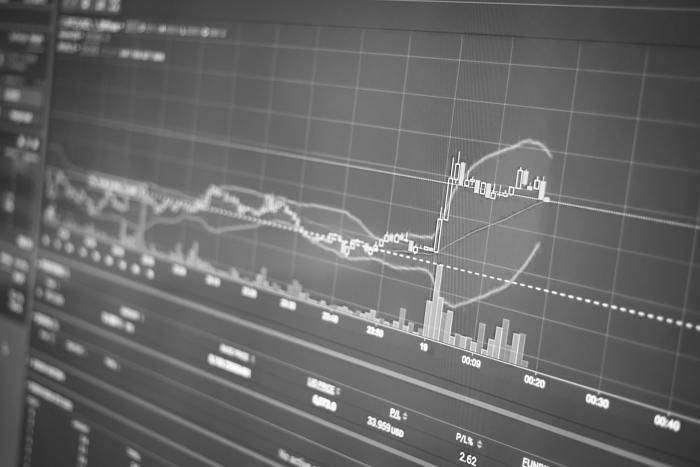
Forex investment, often known as currency trading, is the art of buying and selling currencies on the foreign exchange market. It’s a global playground where the currency of one nation is traded for that of another, influencing the value of your money and impacting economies worldwide. This high-stakes arena isn’t just reserved for financial institutions; anyone with an internet connection can dip their toes in the Forex waters.Understanding Forex investment begins with grasping the fundamental concepts underlying the market.
At its core, Forex trading involves exchanging one currency for another at an agreed-upon price. This market operates 24 hours a day, five days a week, and is known for its high liquidity, which allows traders to enter and exit positions as they please. Significant factors influencing currency values include interest rates, economic indicators, and geopolitical events, making Forex a dynamic and often unpredictable realm.
Currency Pairs and Their Characteristics
In the Forex market, currencies are traded in pairs, which represent the value of one currency against another. The first currency in the pair is known as the base currency, while the second is the quote currency. For instance, in the pair EUR/USD, the euro is the base currency and the US dollar is the quote currency. Understanding these pairs is crucial because they dictate how much of the quote currency is needed to purchase one unit of the base currency.The following characteristics define the major currency pairs commonly traded in the Forex market:
- Major Pairs: These pairs include the most traded currencies, such as EUR/USD, USD/JPY, and GBP/USD. They typically have high liquidity and lower spreads, making them ideal for beginners.
- Minor Pairs: These pairs exclude the US dollar, featuring currencies like GBP/JPY and EUR/AUD. They offer good opportunities but can be less liquid, leading to higher spreads.
- Exotic Pairs: Exotic pairs consist of a major currency combined with a currency from a developing or smaller economy, such as USD/TRY (Turkish Lira) or EUR/SEK (Swedish Krona). These pairs can be highly volatile and are best approached with caution.
Understanding the characteristics of these currency pairs allows traders to make informed decisions regarding their investments.
Mechanics of Forex Trading
Forex trading operates through a network of banks, brokers, and financial institutions. Traders typically engage with the market via brokers, who act as intermediaries between them and the interbank market. These brokers provide trading platforms that enable users to buy and sell currencies with just a few clicks, typically featuring real-time quotes and advanced charting tools.The mechanics of Forex trading can be understood through the following key components:
- Brokers: Brokers come in various forms, offering different services. Some may act as market makers, setting their own prices, while others may provide direct access to the interbank market.
- Trading Platforms: Platforms like MetaTrader 4 or 5 provide traders with the necessary tools to execute trades, analyze markets, and manage their portfolios, allowing for a seamless trading experience.
- Leverage: Forex trading often involves the use of leverage, enabling traders to control larger positions with smaller amounts of capital. While this can amplify profits, it also increases the risk of losses.
Understanding these mechanics is essential for navigating the Forex market successfully. Proper knowledge and strategy can make the difference between a lucrative investment and a costly mistake.
Strategies for Successful Forex Trading
Welcome to the thrilling world of Forex trading! If you thought navigating the currency markets was as easy as pie, think again—it’s more like a complex soufflé that could collapse at any moment. But fear not! With the right strategies, you can whip up success faster than you can say “Forex”. Here’s a dive into the treasure chest of strategies that successful Forex investors use to navigate these turbulent waters.
Popular Trading Strategies
Various trading strategies can help traders capitalize on market movements, each with its own flavor and flair. Here are some of the most popular ones that seasoned traders swear by:
- Scalping: This strategy is like speed dating with the market, focusing on making small profits from quick trades. Scalpers typically hold positions for just a few seconds to minutes, aiming for rapid-fire gains. It requires intense focus and the ability to make swift decisions. Remember, patience is a virtue, but speed is the name of the game!
- Day Trading: Day traders are like the sprinters of Forex—they enter and exit trades within the same day to avoid overnight risk. This strategy works best for those who thrive in fast-paced environments and enjoy monitoring charts like a hawk. Just watch out for the emotional rollercoaster!
- Swing Trading: Swing traders take a more laid-back approach, holding positions for several days to capture price swings. This strategy requires a good understanding of market trends and a knack for technical analysis. It’s a bit like fishing: you cast your line and wait for the big catch!
- Position Trading: This long-term strategy is for those who prefer the slow and steady approach. Position traders hold onto their trades for weeks, months, or even years, relying on macroeconomic trends to guide their decisions. Patience is key, and so is a solid cup of coffee!
Risk Management Techniques in Forex Trading
Navigating the Forex seas without a sturdy ship (i.e., risk management) is like going fishing without a net. You’ll only end up with a lot of splashes and maybe a few tears. Here are risk management techniques that can help keep your trading voyage smooth and your profits afloat:
- Setting Stop-Loss Orders: A stop-loss order is your lifeline. It automatically closes your position at a predetermined price to limit losses. Think of it as a safety net that catches you before you hit the floor when trades go south.
- Position Sizing: Knowing how much to invest in each trade is crucial. Position sizing helps you determine the right amount to risk based on your overall capital and risk tolerance. Remember, a well-thought-out plan beats a reckless leap any day!
- Diversification: Don’t put all your eggs in one basket! Spreading your investments across different currency pairs or even asset classes can reduce risk. This technique helps cushion the blow when one trade doesn’t go as planned.
- Risk-Reward Ratio: Before diving into any trade, evaluate its potential reward compared to the risk involved. A favorable risk-reward ratio (like 1:3) means that for every dollar you risk, you have the chance to make three! It’s like finding a golden ticket in a chocolate bar!
Analyzing Market Trends for Informed Trading Decisions
Successful Forex trading is all about reading the signs—like a financial fortune teller but without the crystal ball. Here’s how to analyze market trends and make decisions that won’t leave you feeling like you’ve been dealt a bad hand:
- Technical Analysis: This involves studying price charts and indicators to predict future movements. Traders look for patterns, such as head and shoulders or double tops, like detectives hunting for clues in a mystery novel.
- Fundamental Analysis: Keep an eye on economic indicators such as employment rates, inflation, and interest rates. These factors can influence currency values more than a soap opera cliffhanger! A strong economy usually leads to a stronger currency.
- Sentiment Analysis: Gauge how traders feel about a market. Are they overwhelmingly bullish or bearish? Sentiment indicators can provide insights into potential reversals in price trends, acting like a mood ring for the market.
- News Events: Economic news releases can cause significant volatility in the Forex market. Following news events and their potential impact on currency pairs allows traders to position themselves advantageously, like being the first to arrive at a surprise party!
Related Financial Topics

For Forex investors, managing personal finances goes beyond just trading strategies and currency pairs. Understanding related financial topics is crucial for maintaining a healthy financial ecosystem. This discussion will cover vital components like credit counseling, effective debt management, and home equity loans, all essential for navigating the financial waters while trading currencies.
Importance of Credit Counseling
Credit counseling serves as a financial lifesaver for Forex investors—think of it as your financial GPS guiding you through the confusing maze of personal finance. Many traders mistakenly believe that their trading profits will cover any debt mismanagement, but this can lead to financial shipwrecks. Credit counseling provides strategies to tackle debt, improve credit scores, and create budgets that leave room for both trading and living expenses.
“Good credit is the wind that fills the sails of your financial ship.”
Methods for Effective Debt Management
Debt can be a slippery slope, especially for those trading in the fast-paced Forex market. To keep your finances afloat, consider these effective debt management methods. They can help prevent your trading dreams from sinking into a sea of red.
Debt Consolidation
This involves combining multiple debts into a single, lower-interest loan. It simplifies payments and can reduce the total interest paid over time.
Negotiating with Creditors
Sometimes, all it takes is a friendly chat. Many creditors are willing to negotiate lower interest rates or payment plans if you communicate your situation honestly.
Budgeting
Create a budget that allocates funds not only for trading but also for regular debt payments. It’s like planning a balanced diet for your finances—too much of one thing can lead to indigestion!
Using Windfalls Wisely
If you receive a bonus or unexpected income, consider using a portion to pay off debts rather than splurging like a kid in a candy store.
Home Equity Loans as Financing Options
Home equity loans can be a tempting option for Forex traders looking to enhance their investment strategy. They allow you to borrow against the equity in your home, giving you access to funds that can be used to amplify your trading endeavors. However, before diving into the deep end, it’s essential to evaluate the implications.
“Leverage: it’s not just for your trades!”
Risk of Foreclosure
Using your home as collateral means that if you can’t repay, you could lose your house. Not exactly the best way to secure your financial future.
Interest Rates
These loans often come with lower interest rates compared to personal loans, but they still require careful consideration of your repayment ability.
Investment Strategy
Utilizing home equity for trading can amplify profits, but it can also amplify losses. As they say, with great power comes great responsibility, and in Forex, it’s easy to forget that.
Financial Flexibility
Home equity loans can provide liquidity that allows you to capitalize on trading opportunities quickly. However, ensuring you have a solid plan and risk management strategy in place is paramount.Remember, navigating Forex is much like riding a rollercoaster—thrilling, dizzying, and requiring a firm grip on your finances. Equip yourself with knowledge around credit counseling, debt management, and financing options to ensure your ride is smooth and profitable!
Outcome Summary
In conclusion, Forex investment is not just about trading currencies; it’s about mastering the art of making informed decisions while keeping your wits about you. Whether you’re looking to transform your financial future or simply want to add a sprinkle of excitement to your investment strategy, the Forex market offers a treasure trove of opportunities. So grab your virtual toolkit and get ready to conquer the currency seas!
Key Questions Answered
What is Forex trading?
Forex trading involves buying and selling currencies in the foreign exchange market to profit from fluctuations in exchange rates.
How much money do I need to start Forex trading?
You can start Forex trading with as little as $100, but having more capital can provide better opportunities for profit.
Is Forex trading risky?
Yes, Forex trading can be risky due to market volatility, but proper risk management can help minimize losses.
What are pips in Forex?
Pips are the smallest price movement in a currency pair and typically represent a one-digit movement in the fourth decimal place.
Can Forex trading be done part-time?
Absolutely! Many traders manage Forex trading alongside their full-time jobs by using strategies that allow for part-time trading.